

Allow me to describe a common scenario. You have a high performing leadership team with lots of industry experience. They know how to run “the business” and have hired some strong team players to help them deliver great results. They also have deep relationships in the company, community, and with clients. Your future looks bright, if only it weren’t so short.
For many companies, the leadership team is ready for retirement and—for the past 25+ years—have been busy working in the business (focusing on operations) and not working on the business (growing the capability of the next tier of leaders).
To be fair, no one ever asked them to do this or taught them how. These smart, capable leaders just stayed in their comfort zone. They earned their role by being great at operations, so they continued to lean on the skills that got them where they are. It was the path of least resistance. So now, their runway is short and they can’t ignore that their successor really isn’t ready to take over. The most conscientious, feel a sense of obligation (and loyalty) to their company and colleagues, and they have an exigency to prepare the next tier for business unit leadership. Now, they want to accelerate the leadership capability of their team.
So, what should these leaders look for, to know if someone is ready to step into a leadership position?
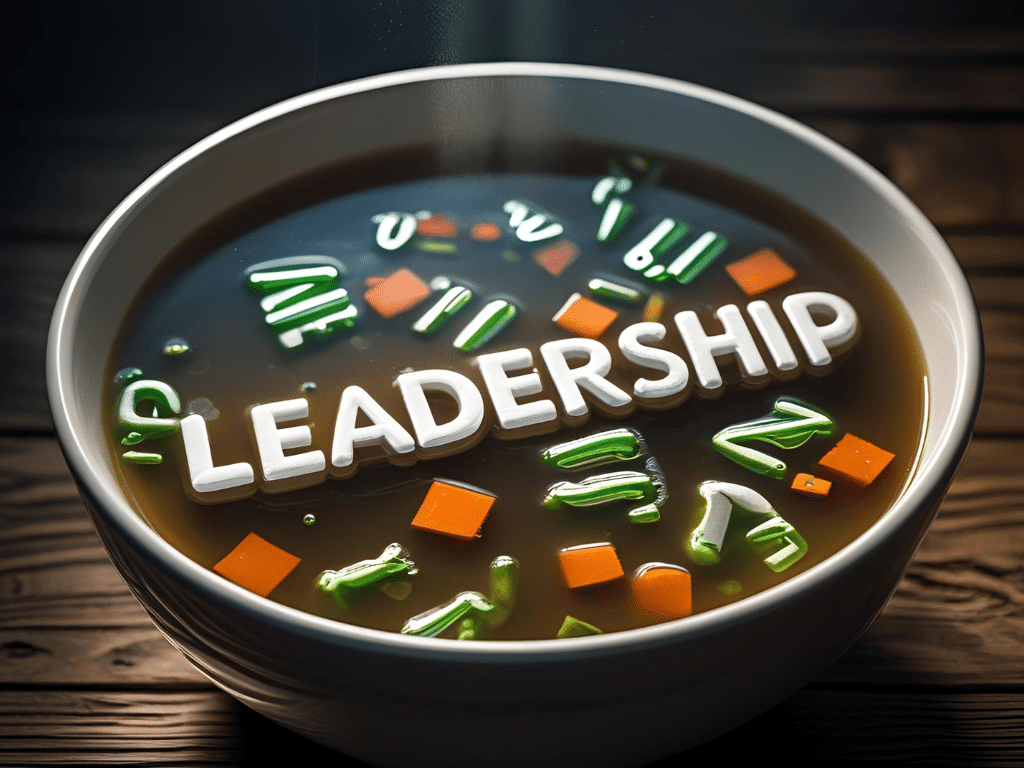
It involves evaluating their mindset, behavior, and skills—not just their operational performance. Readiness isn’t about age or tenure; it’s about whether they can lead people, drive results, and make decisions under pressure. To help you, I have identified six “ingredients” that go into the leadership soup of someone that is ready to lead. The soup stock is SISU, of course.
1. Emotional Intelligence (EQ)
They self-regulate, manage relationships, and have empathy
It is impossible to ignore. There are too many studies proving that the most successful leaders have emotional intelligence. After all, leadership is about people. High EQ means they can understand and manage their own emotions, nurture relationships with others, and empathize with and influence others.
What to look for:
- They seek out feedback and handle it well, even if its difficult to hear
- They resolve conflict in a positive way and without escalation
- They build strong relationships at every level, inside and outside of the company
2. Accountability and Ownership
They deliver results
Results are important. Leaders don’t just take on responsibility, they are also accountable. What’s the difference, you ask? Accountability requires a result, and not just for their own work, but for their team.
What to look for:
- They take ownership and don’t deflect blame
- They “step up” during challenges
- They consistently follow through on their commitments, both small and large
3. Strategic Thinking
They think in longer timeframes and are optimistic
Leaders need to see beyond day-to-day operations and align decisions with long range “strategic” goals. Their ability to “look ahead” is a base requirement for senior leadership. There is a term for this. It is called “timeframe” and it represents how far out into the future someone is comfortable thinking. They also need to be confident and optimistic, so that others will believe in them and follow.
What to look for:
- They can think long-term (at least 3-5 years out)
- They anticipate risks and opportunities and puts plans into place to eliminate or mitigate the risks and take advantage of the opportunities
- They “ping” the future and have a plan B ready, just in case
- They understand how different parts of the business connect and work to align them in order to achieve a future result
4. Influence and Communication
They are people-focused
Effective leaders inspire, guide, and communicate clearly. They establish a consistent communication cadence or “organizational rhythm” and use it to stay focused on the right things. They empower their operational leaders to deliver more consistent, positive results, by supporting them with the right information and guidance so they can make better, more timely decisions. And, they know how and when to provide feedback to develop and motivate their people.
What to look for:
- They tailor their message and approach to the audience
- They don’t dictate but gain buy-in from their team, peers, and superiors
- They use influence to engage their people
- They coach and/or mentor others and parse out responsibility to match capability, while holding them accountable
5. Decision-Making Under Pressure
They absorb some stress so others don’t need to
Business leaders constantly face uncertainty, but by looking out ahead and leveraging their experience, they develop the ability to make smart, timely decisions, often when the stakes are high. Decisions define us and, all the more, for leaders of organizations. Good decision-making becomes part of their leadership brand (both personally and professionally). People come to trust and rely on them.
What to look for:
- They appear to be comfortable making tough calls (even though it isn’t always easy)
- They use both data and intuition to make “the call” and find the balance when one or the other is lacking
- They stay calm in high-stakes situations
- They put themselves into the “breach”, often self-inflicting some stress so that others don’t need to
6. Growth Mindset and Adaptability
They exhibit self-discipline and self-management
Successful leaders are lifelong learners and want to be their best (intellectually, emotionally, mentally and physically). They embrace positive personal and organizational change and manage it effectively.
What to look for:
- They seek feedback and act on it
- They adapt quickly to new challenges, often initiating them because they see the longterm benefit
- They invest in personal development (staying current, staying healthy and staying grounded)
- They demonstrate a level of self-discipline, becoming more predictable and reliable to those around them.
Finally, with all of these ingredients set out on the table, the leadership melange still needs a good stock. So, the first element in the leadership soup should be SISU. Leadership is a continuous improvement process and developed over a continuum. So, leadership starts with some stamina, a contagious sense of optimism, a relentless determination, and a “we can get through anything” attitude to sustain it. SISU forms the basis of all leadership success.
When all of these ingredients are present the person is likely ready—or very close to ready—for a leadership role.

Even if they check off all of the items on the above list, it is worth asking yourself a few additional questions before you make the decision to put them into a leadership role.
Look at their impact, not just their output. Consider whether they are a role model? Do others naturally seek their advice or follow their lead? Do they elevate the performance of those around them? Can they step back from doing and focus on leading?
If you want a robust leadership pipeline, take the time to select people with the right “makings”. So, start with those that have some SISU, then look for the other “ingredients” as they become available. Of course, it would be best to wait for the leadership soup to simmer a bit with every ingredient before you promote. The reality is that you probably can’t.
Remember, not all high performers are ready (or able) to lead. It can be a tough call to keep them in their current role or to promote them. They are often high performing, and might be ambitious for a promotion, but just not quite ready. In this case, know which elements are missing and be careful to add in the missing components later.