


Stress is omnipresent and an experience that everyone encounters at some point in their lives, some more than others. Everyone has their own way of dealing with stress, some better than others. I have found that SISU is a helpful philosophy to lean on during times of stress. As a reminder, SISU is a Finnish philosophy that is loosely defined as mental and emotional strength, to keep pushing forward when a situation seems dire. It is an internal strength that is crucial when we are under stress. SISU encourages a proactive approach, urging us to adapt and evolve in response to difficulties rather than giving up. It empowers us and gives us permission to influence our circumstances through persistence and determination and to be resilient in the face of adversity. SISU makes it possible for us to take on life’s challenges better, but SISU has a dark side.
Understanding the Dark Side of SISU

If you always lean on SISU to push yourself through, you might miss (or ignore) the physical and emotional indicators that tell you that you are in a dangerously unhealthy place. Humans have limits. Learning to recognize stress and manage it, in a healthy way, is absolutely necessary, if you want to avoid a catastrophic, SISU-driven, “crash and burn”. I speak from personal experience and I don’t wish it upon anyone. The experience informed my deeper understanding about how hard to push myself and when to back off. SISU is a practice, like “the force” in the hands of a Jedi knight (a reference to the Star Wars theme), you need to learn how to use it effectively. The dark side of SISU can force you to push yourself too far. Here’s how to avoid that.
The Two Types of Stress: Distress and Eustress
First, let’s have a discussion about stress. There are two main types of stress: distress (the negative kind we usually think of) and eustress (a positive form of stress). It is important to remember that your body doesn’t know the difference. Stress is stress. Understanding how to identify and manage both kinds can significantly impact your overall well-being.
Distress occurs when we perceive that the demands on our lives exceeds our abilities to cope with them. It shows up in a number of emotional, physical, behavioral and cognitive ways. Here are some of the signs:
- Emotional signs: Anxiety, irritability, sadness, or depression.
- Physical signs: Headaches, muscle tension, fatigue, sleep disturbances, and gastrointestinal issues.
- Behavioral signs: Procrastination, changes in appetite, social withdrawal, and increased use of substances like alcohol or drugs.
- Cognitive signs: Difficulty concentrating, constant worry, and negative thinking.
Eustress is the type of stress that motivates and energizes us. It feels positive because it enhances us and helps us grow. Indicators of eustress include:
- Emotional signs: Excitement, enthusiasm, and a sense of fulfillment.
- Physical signs: Increased energy levels, positive physiological arousal (e.g., adrenaline rush).
- Behavioral signs: Increased productivity, creativity, and engagement.
- Cognitive signs: Focused thinking, problem-solving, and a positive outlook.
Now that we know what stress looks like and feels like, we can use a bit of healthy SISU to manage it.
Recognize Your Stress Triggers

First, begin to recognize what triggers your stress. It might be work-related pressures, personal relationships, financial worries, or health concerns. Here’s a thought; your stress is probably not happening AT work or IN the game. You will more likely feel it when you have some time to ruminate: on the drive home, during the time out, just before dropping off to sleep. Pay attention and start to keep a stress diary to track and identify your stressors and patterns. When you “see” what’s stressing you, it becomes more manageable. I’ve discovered that most stress isn’t a real threat, it is just your mind fooling your body into thinking that you need to “fight or flight”. You have other choices.
Develop Healthy Coping Skills
Next, you should exert some effort and focus on developing some healthy coping skills. This is where some healthy SISU comes into play. Exercise regularly, because physical activity can reduce stress hormones and stimulate endorphins, which improve your mood. Practice daily mindfulness, deep breathing, progressive muscle relaxation, and meditation. These will help calm you. Eat “cleaner” by reducing your alcohol and sugar intake. Maintaining a good diet will help you manage your mood, balance your brain chemistry, and reduce stress levels. Also, make sleep a priority. Recent sleep science says that we should aim for 7-9 hours of quality sleep per night. [Note: look up Matthew Walker’s Why We Sleep. He has done a lot of research about sleep and the positive effect it has on health].
Set Boundaries and Prioritize Self-Care
You will need to learn how to set new boundaries and prioritize self-care. This can be stress-inducing at first. It may take some time for you to learn how to say “no”. Especially if you’ve always been the “go to” person for your boss. Keep in mind that your family and your health may depend upon it. Take baby steps, if you can’t say “no”, start with “not now”. Some good qualifying questions to ask are: “When do you need it?” or “What do you need right now?” or “Can it wait until next week?” Don’t feel obligated to say “yes” if you already have other commitments to your health or your family. Avoid taking on more than you can handle. Make a daily plan and put it in writing so you can see all of your commitments in one place.
It’s also helpful if you put these tasks into a calendar with time allocations. This will help you see the “cost” of each commitment and will give you the ability to say “I don’t’ have time for that today.” It will require some grit and determination (SISU) to follow through. Remember that 24 hours a day belongs to you, spend it wisely.
Take a Break When You Need It
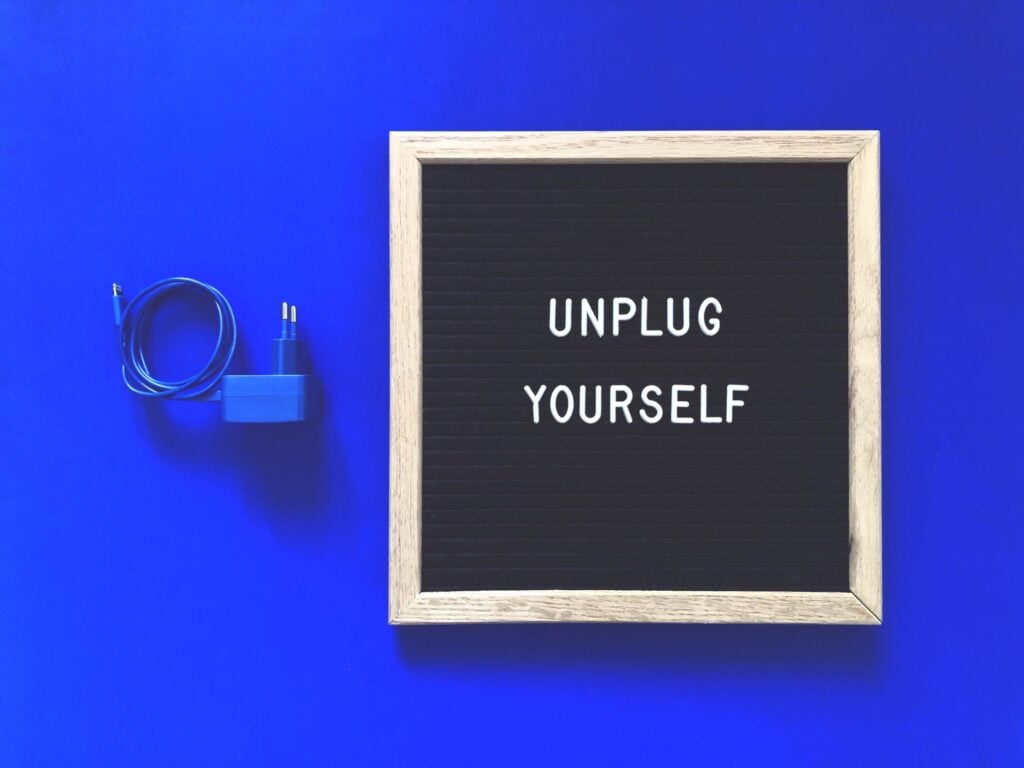
When you know (or feel) that you’ve pushed yourself too far, one of the hardest things to do is to give yourself some down time. If your mind and body are telling you that you are over-stressed, you should believe it.
Schedule a “vacation” and hold yourself accountable to take it. Include time for activities you enjoy. Relax a little. Turn off your phone for a while. Harness some eustress. Embrace a new challenge or opportunity for growth. Connect with friends and family. Share your feelings with a friend or family member, so that they can provide support and perspective. Learn a new skill or subject to keep your mind engaged and foster a sense of accomplishment.
Find time each day, each month and each year to unplug from your stressors and chill a bit. You will need some SISU to pull it off. You will need to trust that it is good for you and worth the effort.
Seek Help When Necessary
Finally, everyone will experience some stressful times. It is a part of the human condition and under normal conditions, stress tends to make us stronger. SISU can help us get through it.
But sometimes SISU isn’t enough to overcome the level or intensity of the stress we feel. Seek out a counselor or therapist if your stress level becomes overwhelming or debilitating. If you start to exhibit signs of depression or have self-destructive thoughts, get help immediately. Don’t let the dark side of SISU convince you that you can get over it if you just push yourself more.
Use the power of positive SISU to stay vigilant and proactive. To do what you should to maintain a manageable level of stress and to ask for help when you need it.