

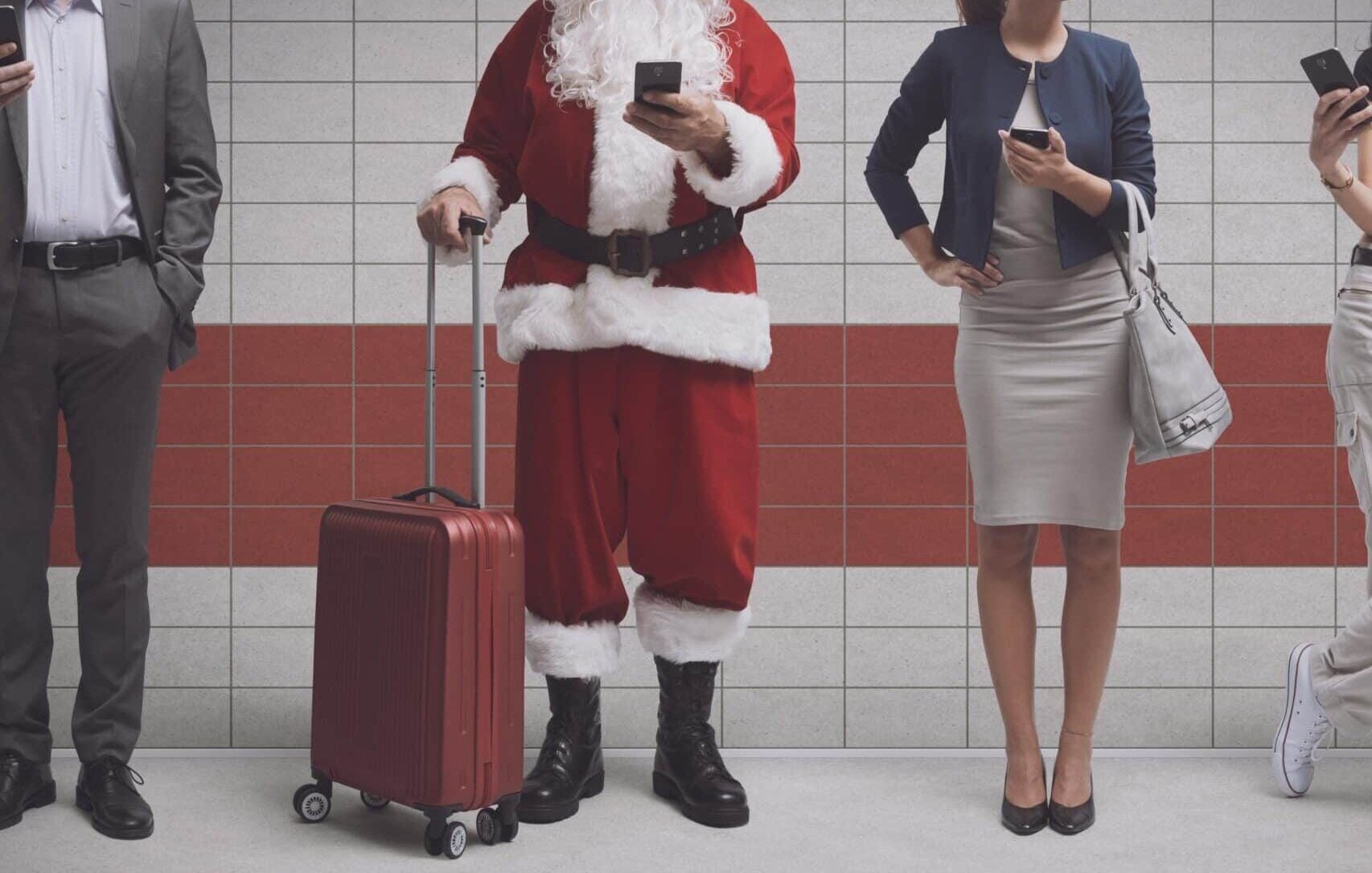
Traveling during the holidays can be fun and exciting for the non-competitive traveler. I get it. The chance to spend time with loved ones, hear old stories (and tell some new ones) is often the highlight of many folk’s year. The joy of spending Thanksgiving, Christmas, or New Year’s with family and friends can bring a warmth to your heart. Getting there can bring a pain to your ass, which is why most competitive travelers avoid holiday travel all together.
I can tell you the last thing I want to do during the holidays is get on a plane. It’s a terrible dilemma. I love my friends and family, so I’m hoping that they will understand. Most normal people travel a couple of times a year. I’ve spent most of the year getting on and off of airplanes and living out of a suitcase. The idea of packing a bag, schlepping through an airport to get on a plane so I can travel to another city to sleep on a strange bed (and not get paid to do it) is pretty unappealing. I would much prefer to stay home; sleep in my own bed, eat what I like, and enjoy some down time on my own couch. We, the professional, competitive travelers, feel like we have earned some time AWAY from travel. With good reason.
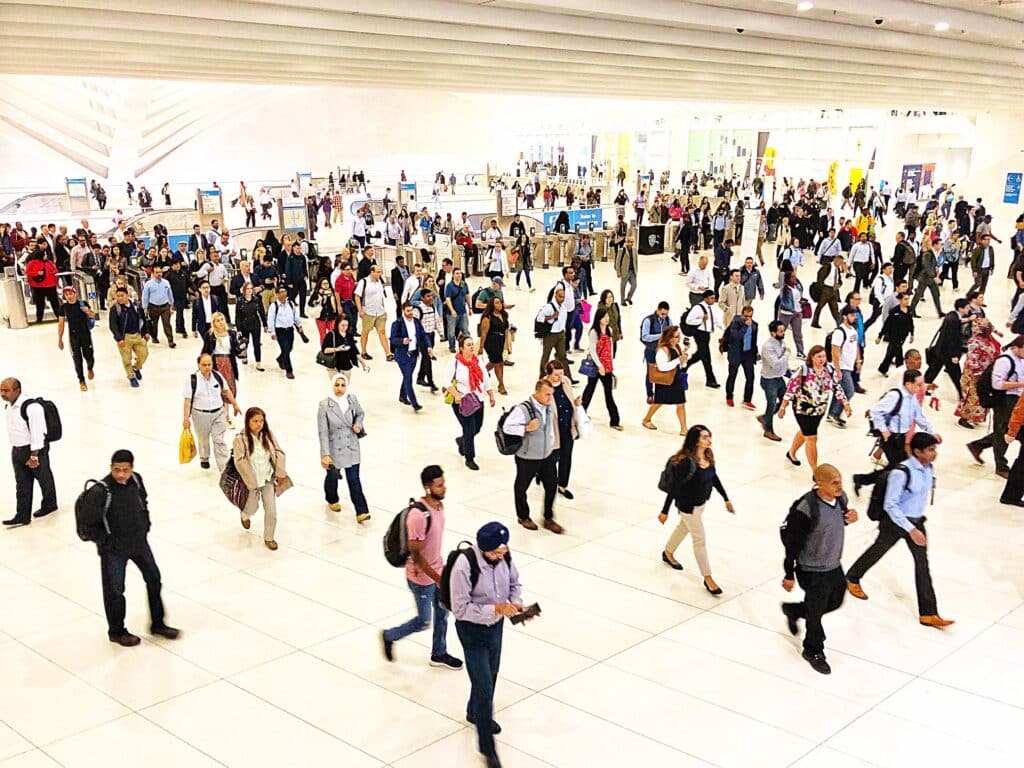
The holidays are exponentially more aggravating for those of us that travel for a living. It really is the worst time to travel for a number of reasons. The most obvious is, that there are a lot of people trying to get to where they are going. Many of these people don’t know what they are doing. Which means they ask a lot more questions, unknowingly jump the lines, distract the gate agents and delay the boarding process. These micro-delays frustrate us pro’s. We might feel a bit entitled (self-awareness is the first step to recovery). When the airports are crowded with people, unfamiliar with the rules of travel, scrambling to juggle kids and luggage, it creates a perfect storm for stress-induced frustration. It’s an environment that most professional travelers have the experience to navigate around. NOT traveling during the holidays is the best way to avoid this situation.
Holiday travel is also more expensive. Airfare, hotel and rental car prices are higher as demand increases. There are also fewer seats, rooms and cars available. I’ve had to wait outside in a driving rain for a rental car (because they were waiting for one to get returned). Like the old Seinfeld scene, “I had a reservation!”, but they did not have a car for me (and, yes, I have traveled during the holidays). So, if (or when) you have to travel during the busy holiday season, book all of your travel needs as soon as you know when and where you will be going. You will be more likely to have a seat, room or car when you get there and pay less for it. If you stay home, your seat, room and car are all available to you. That is a much less expensive holiday option.
For the health conscious, traveling during the holidays is a great way to build up your natural immunity. If you aren’t vaccinated (and even if you are), holiday travel can pose some health risks, including the flu, COVID-19, and any other disease your fellow travelers (and their children) carry with them. Obviously, being in crowded spaces increases your exposure to germs, potentially leading to illness during a time meant for joyful (and healthy) celebration. You will inevitably be sharing these germs with your friends and family. The competitive traveler has an advantage in this regard, as we are already inoculated by our exposure over the years. I get two short colds a year (one in the Fall and one in the Spring) and I’m good the rest of the year. You can mask up, of course, and sanitize as you go or just stay home. If you choose the latter, you will reduce your health risks and can celebrate locally without the anxiety of travel-related illness. By the way, traveling when you’re ill just isn’t very socially responsible. If you are sick and need to travel, please wear a mask and stay away from the rest of us as much as you can.
Lastly, for the folks that care about our planet, there is an environmental impact from holiday travel. Air travel, in particular, contributes significantly to carbon emissions. In an age where environmental consciousness is more critical than ever, choosing to stay home can be a more sustainable option. If it’s not your job and traveling is optional, you should celebrate locally. You will not only reduce your carbon footprint but you will be supporting local businesses and your community. I prefer to spend my carbon in between the holidays, making a living. I justify it this way: my travel carbon footprint is much smaller if I fly to visit my clients than if they traveled to see me (about 24:1).
In conclusion, while holiday travel is often seen as a family adventure or obligation, the competitive traveler sees it as an chance to opt out. More people, higher stress, increased costs, heightened health concerns, and the potential for travel disruption, are all reasons to stay home during the holiday season and avoid traveling. I suppose, I could invite everyone to my place for the holidays, but I wouldn’t want to put them through all of the hassle to get here.