

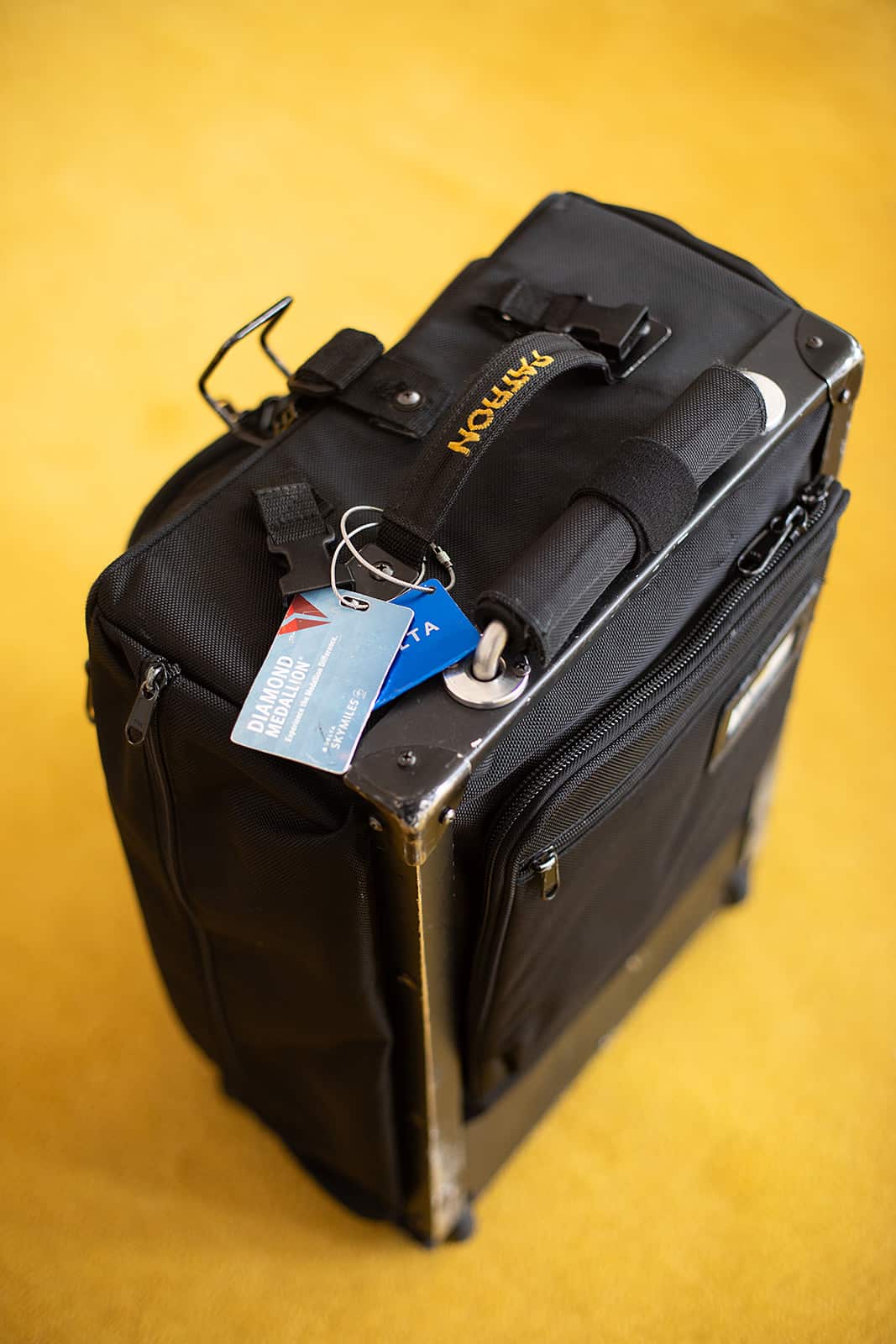
Packing efficiently is a crucial skill for any competitive traveler. It will help make your trips more productive, enjoyable and get you where you are going with everything you need. Efficient packing is more than just a practical necessity; it’s an art form that combines organization, foresight, and strategic thinking. Yes, I said strategic thinking. You need to have a strategy when you pack for a living.
Make a List
The foundation of efficient packing starts long before you zip up your suitcase. Begin by making a list. Consider your destination, how many days you will be gone, the weather, and the activities you’ll be engaged in. A well-thought-out list ensures you don’t forget essentials and helps you avoid overpacking.
I like to lay everything out on a bed, so you can actually see it in front of me; clothes, underwear, work out gear, shoes, toiletries. This methodical approach provides a clear overview of what you need, preventing the last-minute panic that often leads to forgotten items or excess baggage. Once you have identified everything you need (laid out or on a list), you can pick the bag or suitcase to pack it in.
Pick the Right Suitcase or Travel Bag
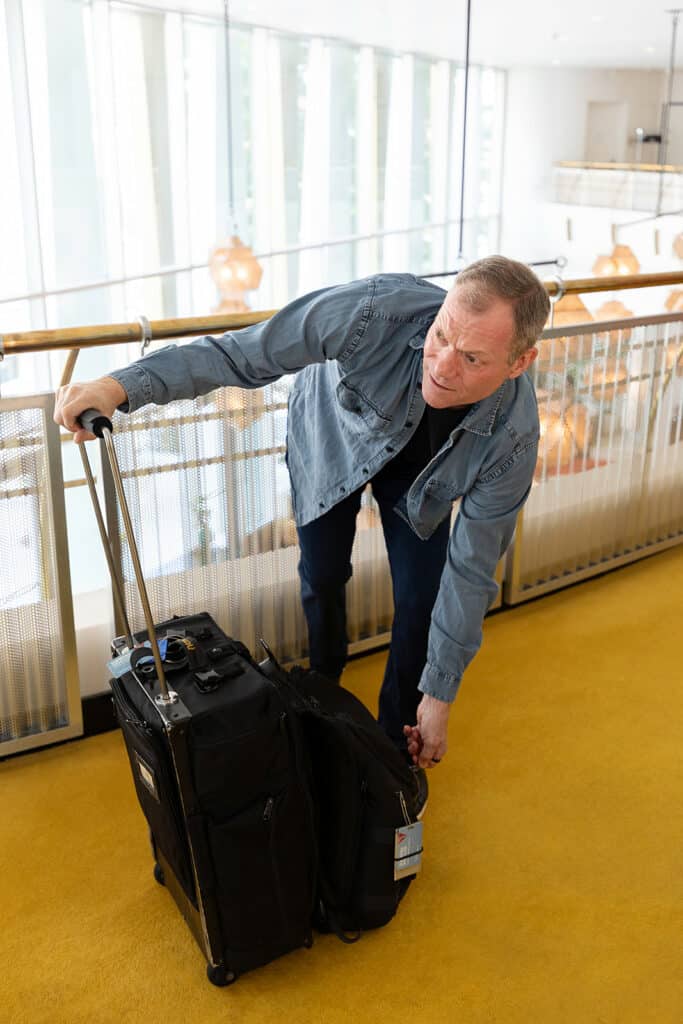
Choosing the right type and size of luggage is vital for efficient packing. A versatile suitcase or travel bag that fits the requirements of your trip can make a significant difference. For short trips, a small carry-on might suffice, while longer journeys may require a larger carry-on or, god forbid, a checked bag. Always carry on if you can. There are many great carry on bags to choose from. More on this in a later blog. For now, consider that most carry-ons are large enough for 3-4 days if you pack efficiently. Let’s get packing.
How to Fit Everything in Your Luggage
The method of packing can dramatically affect how much you can fit into your luggage. Rolling clothes, as opposed to folding them, is a popular technique because it maximizes space and minimizes wrinkles. For items like t-shirts, jeans, and casual wear, rolling can be particularly effective. However, for delicate fabrics or dressier clothes, a combination of folding and rolling might be preferable.
Packing cubes are another excellent tool; they compartmentalize your belongings and help keep your suitcase organized. I’ve never used the vacuum bags, but they look intriguing.
The bottom of my suitcase has some “channels” that I can utilize for my rolled up t-shirts, socks and undergarments. They create a nice base for me to build upon. The next layer is for my trousers, which need to stay flat and pressed. I use a stiff plastic “sleeve” to provide some structure under the trousers so that they stay flat during travel. The next layer is usually my folded, “nice”, t-shirts and/or pullovers. I lay them on top of the trousers. I use a small gym towel to cover this layer before I pack my shoes and toiletries on top.
I find that I can fit my shoes sideways with the sole against the side of the suitcase. Then I pack my “wet” toiletries in a quart plastic bag. I also have a hanging toiletry kit that is zippered. These bags/kits fit in between the shoes, which prevent them from being crushed during my travels. My dress shirts are folded and tucked into a plastic bag.
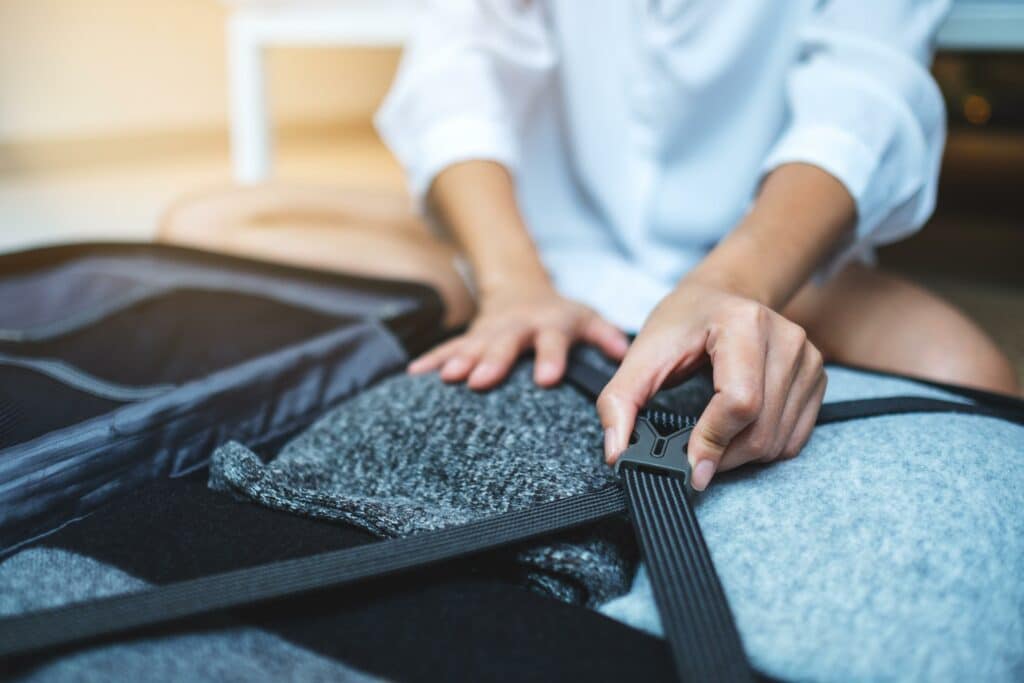
I have a “clean” and a “dirty” plastic bag for my shirts when I travel. It keeps them clean and protects them (just in case the suitcase gets wet or something in it leaks). The shirts then get packed into the dirty bag after I where them. These dress shirts get placed on top of everything. I use the luggage “bungees” to hold everything in place. That’s it, zip it up.
Packing Toiletries & Electronics
When packing toiletries, since you will almost always carry your bag onto the plane, you will need the travel size of everything (less than 3 ounces). You can also transfer your liquids and gels into travel-sized containers. This not only helps you comply with airline regulations but it also conserves space. The hanging toiletry bag has multiple compartments. It is both practical and space-saving. Pack essential items, such as medications, vitamins, combs, razor, floss, toothbrush, nightguard, etc. in the easily accessible pockets of the hanging bag or a separate section of your suitcase to avoid digging through everything when you need them.
I like to pack electronics and documents in my backpack or briefcase/satchel, which I use to transport my “office” during travel.
The Goal: Pack the Minimal Number of Items with Maximum Utility
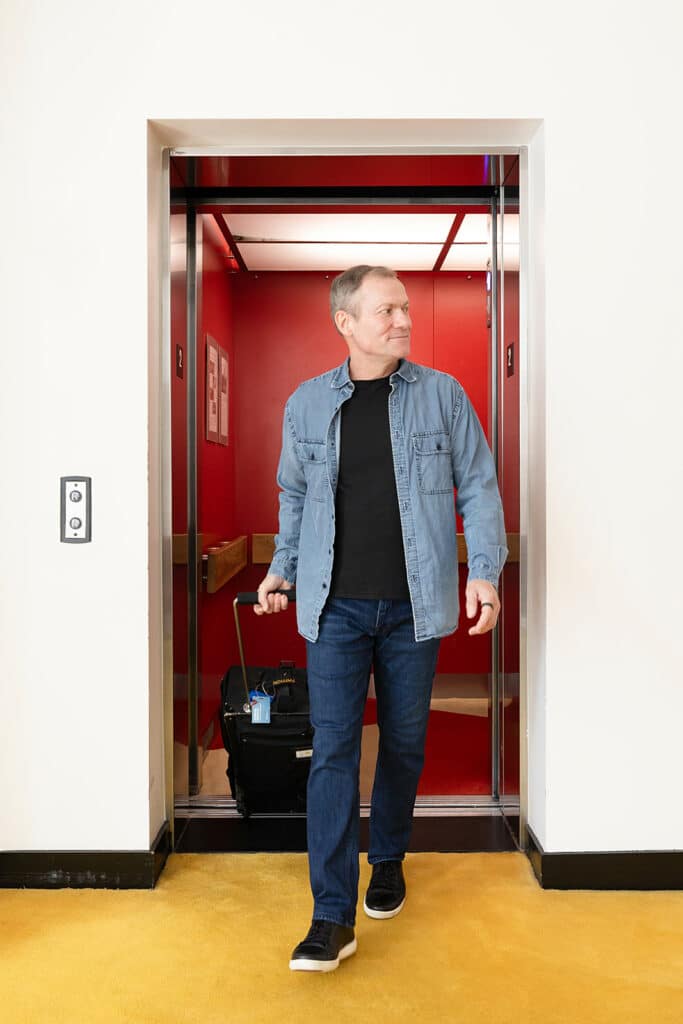
One of the keys to efficient packing is to minimize what you bring while maximizing the utility of each item. Choose versatile clothing pieces that can be mixed and matched, and opt for items that serve multiple functions. For example, a workout shoes can be worn with blue jeans after the work day, instead of your dress shoes. For multi-day trips, a different shirt and pullover can be worn with the same pair of trousers for a different look.
This approach not only reduces the number of items you need to pack but also ensures that each item has a purpose. Turning your underwear inside out on day two is not recommended. More tips will be coming about this.
Efficient packing is an essential aspect of competitive travel that can greatly enhance your ability to be prepared when you arrive. By planning ahead, selecting the right luggage, using effective packing techniques, and being mindful of what you bring, you can streamline the process and reduce stress. With practice and attention to detail, packing efficiently becomes second nature, allowing you to focus on other more important aspects of your travel. Ultimately, the art of packing efficiently is about making your work travel more productive and less problematic.