Traveling can be challenging, so it requires a fair amount of planning and preparation to ensure that you get to where you are going efficiently. For folks that travel for a living, the right equipment can make all the difference; from the suitcase you choose to the essential supplies you pack.
Here’s a guide to help you select the traveling equipment and supplies for your work trips.
Choosing the Right Suitcase
Your choice of suitcase can significantly impact your travel. When selecting a suitcase, consider the following factors:
Size and Capacity
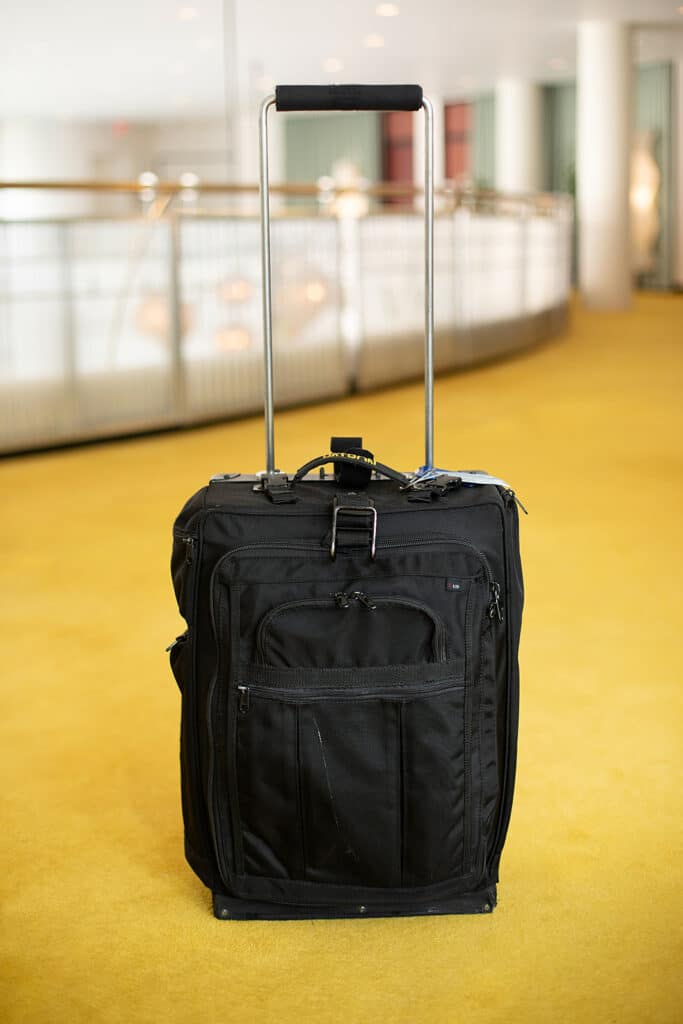
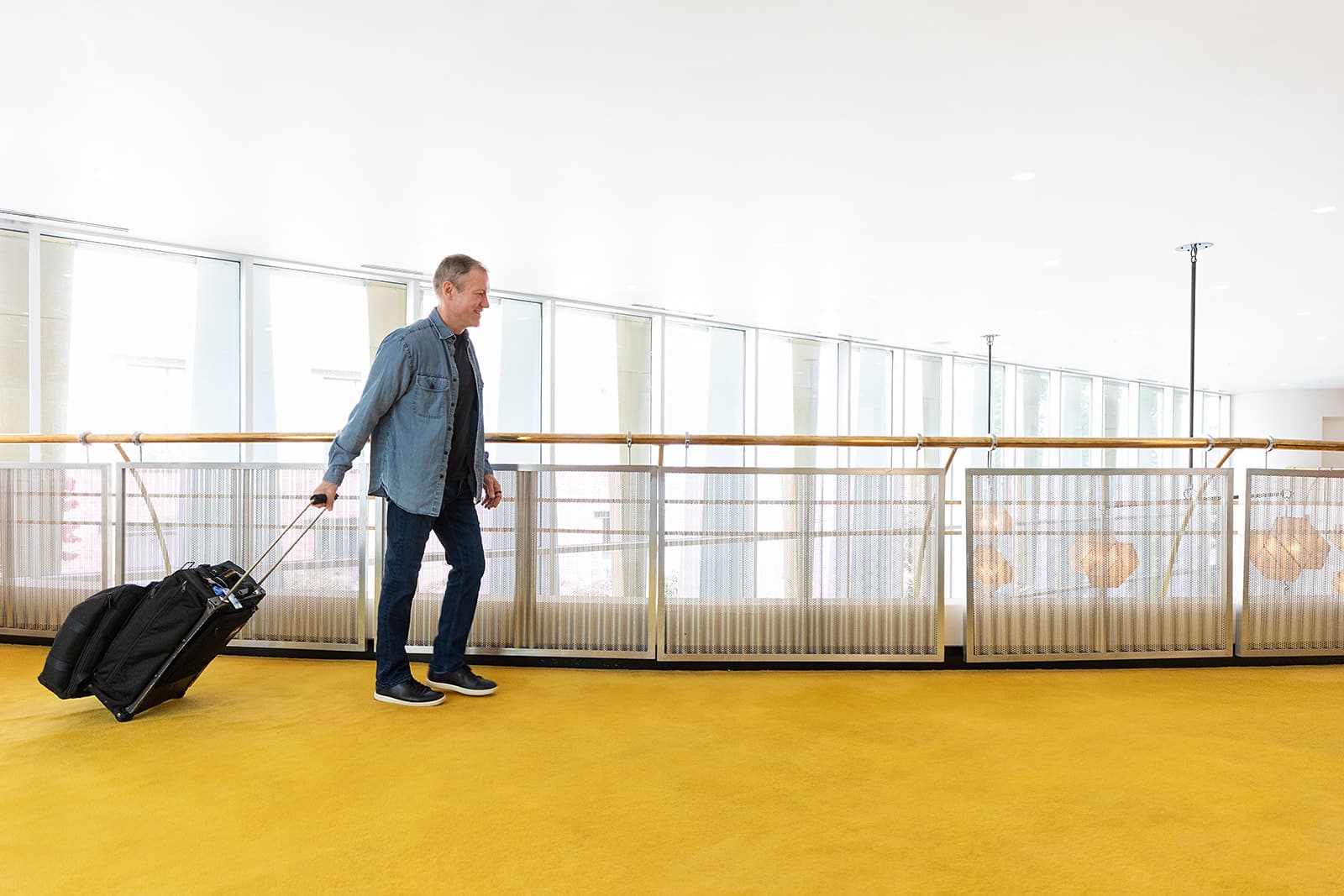
Suitcases come in various sizes, typically categorized as carry-on, medium, and large. I carry-on 99% of the time. The size you choose should depend on the length of your trip and your packing style. I selected the largest carry-on luggage I am allowed to take onto the plane without having to “pink tag” it. I chose a Luggage Works flight bag (just like the ones the pilots have), because it fits in the CRJ regional jets. I seldom have to turn it over to anyone during my travels. If the pilots are putting their bags in the overhead, so am I. That’s why I bought it.
I can get five days of clothes and toiletries in this bag. I have seen some other great carry on bags, so do some shopping. That being said, I’ve watched a lot of travelers try to wrestle their carry on into a bin without success. Do you homework. Having your bag in the cabin with you will get you on your way as soon as possible.
Personally, I don’t want to wait for the ground crew to deliver my bag from underneath or from baggage claim. When the door opens after landing, I am rolling. On the rare occasion when I have had to pink tag or check a bag, I have often ended up last in the rental car line or at the end of the queue for a rideshare. It can add at least 30 minutes to my trip (that’s usually 30 more minutes of sleep).
I recommend that you find a carry-on bag that you like, that fits your budget, and then pack it efficiently. I have two other carry-ons: a smaller one for a two day trip (also a Luggage Works) and an expandable one for trips where I need extra capacity coming or going. The expandable bag fits in the overhead when zipped up/un-expanded, but it can be unzipped/expanded to provide some extra capacity. I have to check it when expanded, but that’s part of the planning.
Carry-ons are ideal because you avoid the time and expense of a checked bag. I prefer to avoid using a larger suitcase, even for longer journeys. I’d prefer to do laundry than check a bag, but that’s me. You might want to pack more in a larger bag and check it. In any case, as you consider your trip, check the type of airplane you will be in. This will often tell you what size bag you can take with you on board (this information is usually found on the itinerary online). Some planes have large overhead bins and any size carry on will work. The CRJ regional jets have smaller bins and you should plan to take a smaller carry on on these planes.
Of course, always check airline regulations for size and weight restrictions to avoid surprises, delays or extra fees. Most airlines also have weight limits that are non-negotiable. I’ve had to buy a duffle bag to split up my luggage to get it under a 70 pound limit (a big pain in the butt). Also, when you do have to check your bag, don’t be too disappointed when you discover some type of damage to your bag. Baggage handlers are not gentle!
Material
Suitcases are generally made from either hard-shell or soft-shell materials. Hard-shell suitcases offer better protection for fragile items and are easier to clean, while soft-shell bags provide expandability and often feature external pockets for quick access. I like the soft shell luggage because these bags can flex a bit and they will compress if I need to squeeze them into an overhead (remember I’m going to carry on 99% of the time).
Hard sided bags generally won’t compress into a bin. I would also make sure you consider how you pack your hard sided bag. If it isn’t full, your clothes will flop around a bit, creating wrinkles and disorganization. Each material has its advantages, so consider your travel needs and preferences when choosing.
Wheels and Handles
Modern suitcases come with either two or four wheels. Four-wheeled spinner bags are easier to maneuver and can be pushed alongside you, reducing strain. Stacking your briefcase or backpack on top, makes it easy to roll next to you. The two-wheeled options often provide better stability and durability on uneven surfaces. The wheels tend to be recessed and sturdier on the two wheeled versions. I prefer the two wheeled for this reason.
Also, look for telescoping handles that adjust to your height and ensure comfortable maneuverability. Make sure that these handles are strong and stable. I’ve seen a lot of bent or damaged handles over the years. My Luggage Works handle is a solid piece of aluminum and practically indestructible. I have a strap and hook on the top, front of my bag so I can hang my briefcase/backpack from my roller bag so I don’t have to carry it.
Essential Travel Supplies
Now that we have your bag packed, lets talk about your travel supplies.
Packing kits/cubes
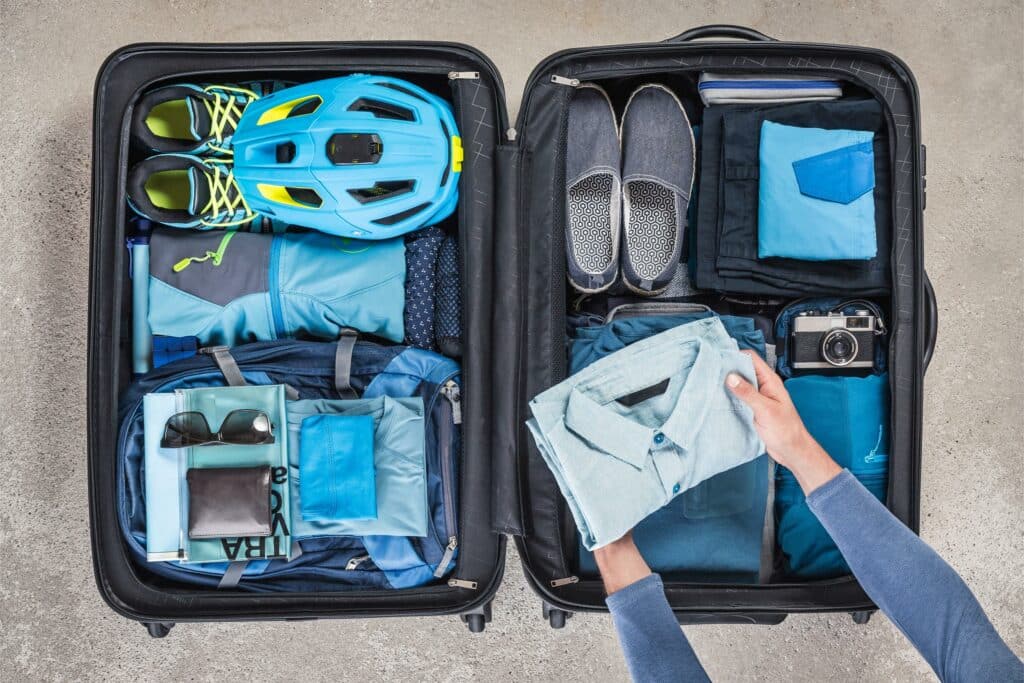
These can help you fit more in your bag, especially if you have the vacuum cubes. Packing these cubes help organize your belongings and maximize suitcase space. By categorizing items into separate packets (e.g. by outfit, shirts, underwear, sweaters, toiletries, shoes bags), you can easily find what you need without rummaging through your entire bag.
Travel Toiletry Kit
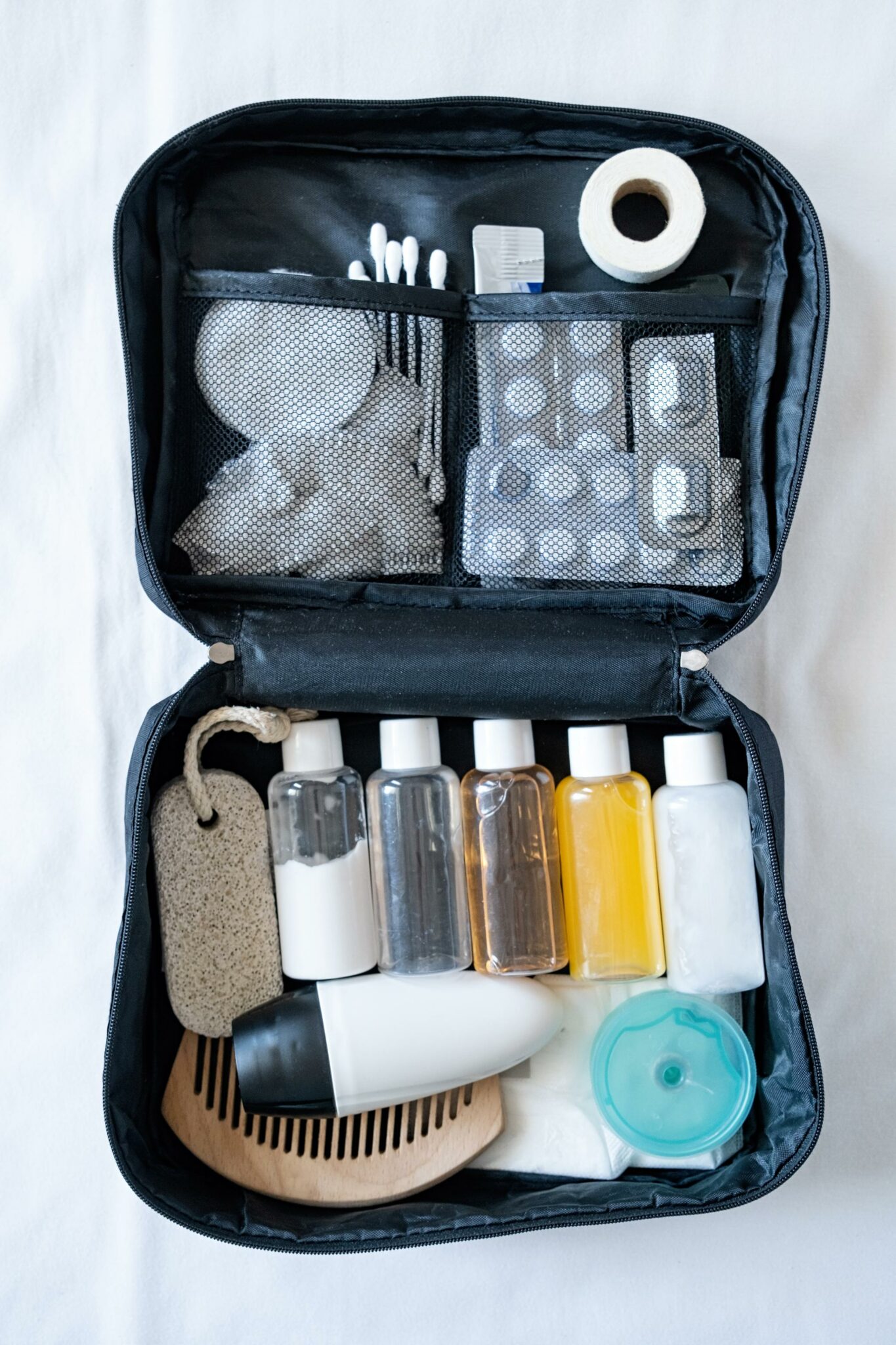
A compact, leak-proof toiletry kit is essential for keeping your grooming products organized. Always use travel-sized products or bottles (2 ounces or less) to comply with airline liquid restrictions. I use a quart-sized ziploc bag to hold all of my “wet” toiletries to prevent leaks.
I also store my dress shirts in a plastic bag during travel just in case. I then pack your dry toiletries (razor, toothbrush, brush, contacts, vitamins, etc) in my “kit”. I prefer to use a hanging kit so I can free up counter space when I get to the hotel. There are a lot of options out there. Match the size to the amount of stuff you want with you.
Chargers and Headphones/Earbuds
Keeping your devices charged is crucial, especially during long flights or layovers. Keep your chargers with you (in a backpack or briefcase). Its never a good thing when you run out of juice during a flight/trip. I also keep a high-capacity portable battery backup charger to ensure that I have power on the go, which is especially important for keeping my phone, computer, or tablet ready for use when power is not available. A set of noise-cancelling headphones or earbuds are invaluable during travel, especially if you want to sleep. I don’t like hearing the ambient noise in the cabin during flight. There can also be loud talkers and crying babies on the plane. There are a lot of options here. Choose the one that fits your budget. I use Bose earbuds with noise cancelling. They are small, so they take up very little space and they keep things quiet. I also found a wireless bluetooth device to connect my earbuds to the movie panel in the plane, so I am not limited by a wire connection needed for many of the headphones.
First Aid
A small first aid kit is a practical addition to your travel supplies. It should include basics such as adhesive bandages, antiseptic wipes/anti-biotic ointment, pain relievers and cold medicines (I prefer Mucinex D), and any prescription medications you may need. I always have lip balm and pimple cream for spot treatments in my backpack or briefcase. I also bring a nail clippers and nail file with me. This kit can save your trip, when you have a minor injury or health issue during your travels.
Reusable Water Bottle and Snacks
Staying hydrated and fueled is vital during travel. You will often be separated from food and water when traveling for work. I’ve been stuck on a plane for hours during a delay. So, now, I keep a bag of trail mix and a water bottle with me on the plane. These basic survival staples have kept me hydrated and my blood sugar where it needs to be. The water bottle is both eco-friendly and practical. Many airports have refill stations, allowing you to fill up and stay hydrated without purchasing disposable plastic bottles. I have a 32 ounce Yeti Rambler. It is metal and holds up to some rough handling. I always have this source of water with me in my backpack. Pick your snack of choice. I’ve seen people with granola or protein bars, dried fruits, nuts and the like. I would stay away from high sugar snacks like candy and cookies, they will spike your blood sugar and drain your energy in the long run.
Travel pillow/blanket/pullover
I used to travel with an inflatable pillow, but found it to be unnecessary. If you have neck or back issues, you may want to invest in one. Blankets are also nice to have during really long trips (three hours or more). They can be used as a pillow also. I prefer to pack a pullover in my backpack/briefcase. I use it to add a layer when the plane is colder than my comfort level. The capacity of your backpack or carry on will often determine how much creature comfort you can bring on the plane.
Thinking through your travel equipment and supplies can greatly enhance your travel success. Investing in a good-quality suitcase, along with essential travel supplies, prepares you for various travel scenarios and ensures that you get to your destination in less time and in better condition.